
Dona suport econòmic al projecte de Dones Visuals
By Elisabet Dubé Ferré, producer and Dones Visuals board member
Dones Visuals is a non-profit, women-led collective founded in 2017. Its mission is to enhance the presence of women in the male-dominated Spanish audiovisual sector significantly. The association is implementing concrete initiatives to foster a more equitable, diverse, and inclusive environment for all women involved in this sector. The association acts as a non-state regulatory body, challenging public cultural institutions such as The Catalan Institute for Cultural Companies (ICEC) and The Film and Art Institute (ICAA), which are affiliated with the Ministry of Culture of the Government of Catalonia and Spain, respectively.
Dones Visuals insists that regulatory enforcement can aid in addressing inequalities. Institutions must adopt affirmative action programs to tackle structural inequities and ensure a fairer distribution of public aid. Thanks to such advocacy, promoting gender equality has become a strategic goal for the ICEC. These efforts have opened up opportunities for women, yet the industry still confronts significant challenges. The presence of women, especially in roles of power and decision-making like directing, scriptwriting, and production, remains lower than that of men. Although there has been progress compared to previous years, the need for diverse representation persists. Dones Visuals aims for a fairer and more diverse entertainment industry, in terms of both access and representation, envisioning an industry that not only offers opportunities but also produces feature films from a transformative perspective. We are committed to being a catalyst for change by promoting equal opportunities and combating underrepresentation.
Here are some data that reflect how the industry is now: the cis, white, heterosexual man occupies the central space in front of and behind the camera. Trans women (2%), lesbians (1%), and those of Afro-descendant origin (5%) are among the most underrepresented. With female directors, screenwriters, and producers averaging 26%—increasing at an annual rate of 2%—equity (50%) is projected to be achieved by 2044. This data underscores the challenges of implementing our core principles, as bias often prevails in mainstream narratives. A significant transformation is necessary to address these issues, requiring persistence and continued bravery. Inclusivity demands courage: understanding different viewpoints, committing to various causes, and prioritizing “we” over “me.” It’s vital that all voices are heard, with feminists playing a key role in establishing safe spaces for authenticity and excellence. The values of courage, empathy, equanimity, authenticity, and honesty must resonate loudly. Further research can support Dones Visuals’ stance and help overcome industry resistance to embracing these commitments. As other institutions have started implementing DEI (Diversity, Equity, and Inclusion) initiatives, these best practices can serve as benchmarks for persuading Spanish cultural public institutions and industry stakeholders to adopt similar measures.
In 2015, Anna Serner, director of the Swedish Film Institute, significantly increased the visibility and presence of women in the Swedish audiovisual sector. In 2012, women directed only 26% of films; by 2015, this figure had risen to 50%, thanks to equitable distribution of public funds and a rise in women-led projects. Serner’s approach has inspired revisions in gender parity across various countries, institutions, and companies. Similarly, The British Film Institute has integrated equity, diversity, and inclusion into the core of its projects, setting an example of commitment by making these standards a contractual requirement for funding. This initiative aims to foster behavioral change and inspire more inclusive practices in content creation, activity development, and recruitment.
Recognizing the need for change is a critical first step. However, understanding why change is necessary and how it can be impactful is essential before embarking on this transformation. Identifying references and values to guide the association’s actions can promote progress towards a more diverse, equitable, and inclusive industry. Dones Visuals advocates for governmental intervention to dismantle the male-dominated structure of the industry and address current gender and diversity biases within Spanish entertainment media.
With evidence pointing to an industry that is neither diverse, equitable, nor inclusive, we have launched a comprehensive action plan to address these deficiencies with specific and varied initiatives:
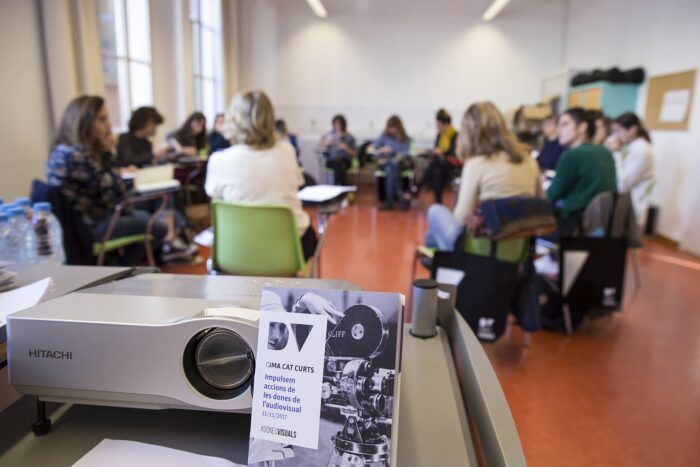
– ACCIÓ CURTS fosters the introduction and growth of new talent in the industry.
– ACCIÓ VIVER supports filmmakers in expanding their work and enhancing their scriptwriting skills for greater impact.
– ACCIÓ PRODUCCIÓ offers a mentoring program for producers to improve their company operations.
– ACCIÓ DE CAP provides access to the latest audiovisual technologies to streamline workflows for team leaders.
– ACCIÓ DIRECTORI is creating an online database to increase visibility and networking opportunities for women professionals in the industry.
– ACCIÓ ESTUDI continuously monitors the sector to identify actionable steps towards achieving parity.
Beyond these initiatives, the association aims to launch a robust program to support historically underrepresented talented individuals, creating more opportunities for them to produce feature films and establish significant industry connections. Recognizing that talent is widespread but opportunities are not, Dones Visuals is designing a pilot program to support these filmmakers through the initial development phases of their projects. This program, ACCIÓ ARREL, seeks to challenge systemic barriers and foster a nurturing environment, enhancing DEI initiatives and ensuring that all members feel valued and have equal opportunities for advancement. By engaging with participants, ACCIÓ ARREL aims to refine our actions, making them more appealing and inclusive. This initiative serves as a laboratory for innovative practices and a critical tool for improving DEI initiatives, bridging the gap towards a more inclusive and equitable industry.
In addition to launching various actions, we recommend creating a new position at the Catalan Institute for Cultural Companies: a head of Diversity, Equality, and Inclusion, with executive power to implement gender-neutral perspectives and intersectionality. Dialogue with these institutions is ongoing, focusing on effective strategies for progress. However, the common response is a need for better understanding or patience, reflecting institutional reluctance to challenge the status quo. This hesitance underscores the controversy of addressing fundamental industry operations.
Dones Visuals is actively working on DEI initiatives, but the broader industry lags behind. To inspire stakeholders and align our initiatives with our efforts, we must enhance our DEI messaging. Knowing that our demands may take time to be implemented, we remain committed to advocating and continuously spreading our message. Our dedication to fostering an industry that respects intersectional identities and aims for their representation is unwavering. Prioritizing the needs and voices of underrepresented groups is crucial to making them more active participants in this change initiative. Our ultimate goal is to enrich the quality and diversity of audiovisual presentations by removing sexist, racist, and other biased content, ensuring a more inclusive and vibrant cinema.
Dones Visuals derives strength from a supportive community that shares a common purpose. Our credibility, mutual support, and the safety net we’ve built within our community underscore our commitment to difference, active listening, and emotion-separation in conflict resolution. Creating a safe space for inclusion and transforming judgments remains a challenge when engaging with key industry players. Despite encountering resistance, Dones Visuals has fostered DEI conversations internally and is committed to expanding these discussions throughout the industry. Visibility and compromise are essential in spreading DEI initiatives, and we support courageous leaders who take on the risks associated with leading change.
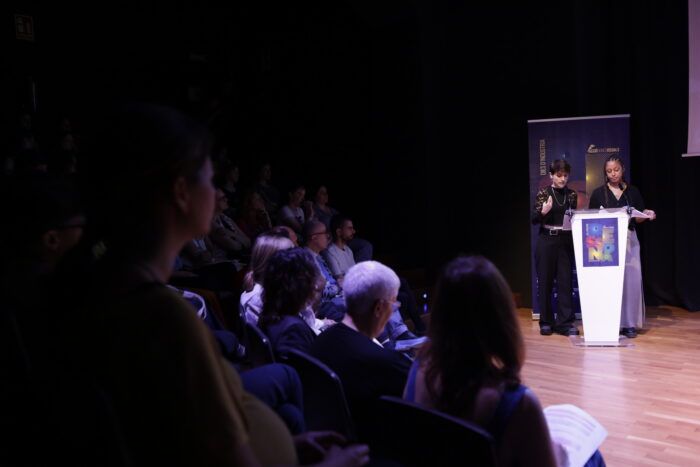
Democratizing safe spaces, addressing offensive viewpoints, and embracing diversity, equity, and inclusion are pivotal to creating a shared understanding of oppression and fostering a more just and fair industry. Sharing power and influence is vital for building trust and ensuring that all members feel heard, understood, valued, and respected. Dones Visuals remains engaged and dedicated to achieving its common purpose, practicing reflection, compassionate communication, active listening, and resonating with our audience. Our commitment to fundamental industry transformation is steadfast, and we continue to advocate for empathy, equanimity, and nonviolent communication as pillars of change. Even in the face of discomfort and unresolved issues, Dones Visuals remains committed to its mission, ensuring that every voice contributes to a richer, more vibrant, and significant cinema landscape.


